Understanding PAS 128 Standards
The PAS 128 standard plays a crucial role in the realm of underground utility detection and mapping. As the need for accurate utility data increases due to urbanization and infrastructure development, professionals are turning to PAS 128 compliant surveys to mitigate risks associated with underground construction. Such surveys are essential in identifying and mapping the location of utilities like gas, water, and electricity lines, thus preventing costly errors and enhancing safety. To delve deeper into the services associated with PAS 128 Survey London, understanding the intricacies of these surveys is fundamental.
What is PAS 128 and Why It Matters?
PAS 128, published by the British Standards Institute (BSI), outlines best practices for underground utility detection, mapping, and verification. The standard helps establish a clear framework for utility surveys, ensuring that the data collected is reliable and actionable. This is particularly important in densely populated areas such as London, where multiple utilities coexist underground. The importance of PAS 128 is underscored by the rising incidents of utility strikes during construction projects, which can lead to injury, financial loss, and project delays.
Key Components of a PAS 128 Survey
A PAS 128 survey encompasses a series of systematic steps to ensure thorough utility mapping. Key components include:
- Desk Study: Initial research based on existing utility records and plans.
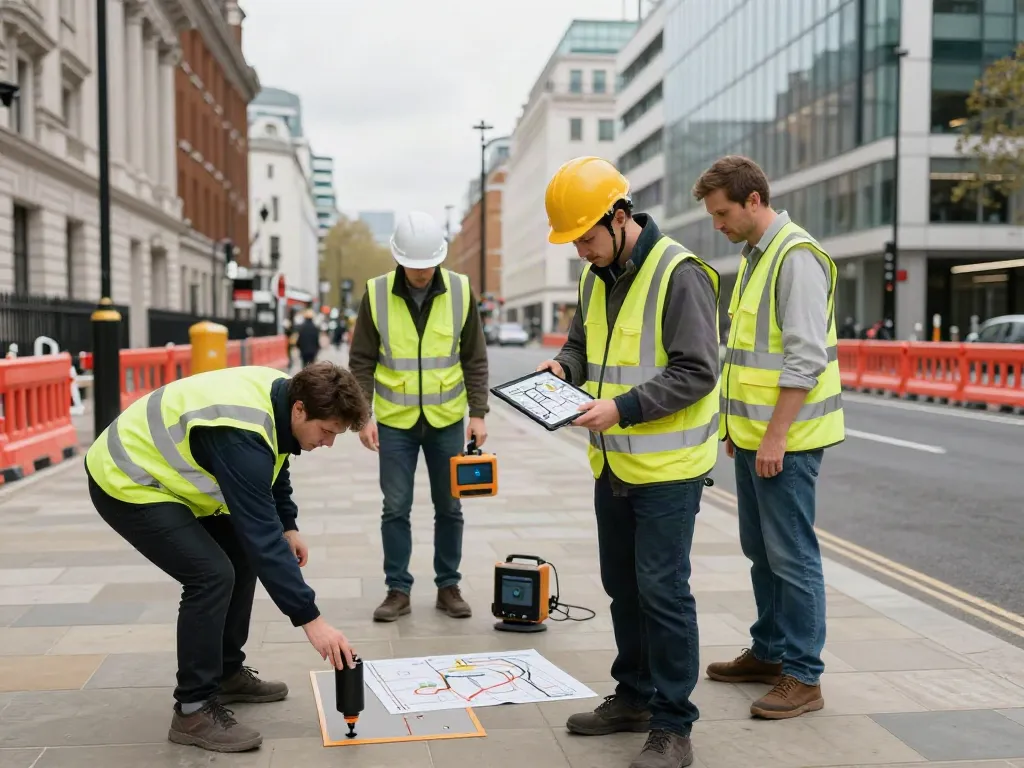
- Site Investigation: Physical surveying using techniques such as Ground Penetrating Radar (GPR) and electromagnetic induction to locate utilities.
- Data Analysis: Collating and interpreting data to ensure accuracy in utility mapping.
- Reporting: Providing detailed reports that classify utilities according to their Quality Levels (QL), helping stakeholders make informed decisions.
Regulatory Framework Impacting Utility Surveys
The regulatory landscape surrounding utility surveys is evolving. Authorities mandate compliance with standards like PAS 128 to enhance safety and efficiency in construction practices. Furthermore, the integration of technologies such as Geographic Information Systems (GIS) and Building Information Modelling (BIM) has transformed how utility data is managed and utilized.
Types of PAS 128 Surveys in London
Understanding the different types of PAS 128 surveys is vital for selecting the appropriate service for your project. Each survey type serves specific requirements based on the depth of investigation and the complexity of the utility infrastructure.
Survey Level Definitions and Their Uses
PAS 128 categorizes surveys into four Quality Levels (QL):
- QL-A: Survey based on records, not directly verified.
- QL-B: Verification through visual inspection.
- QL-C: Detection using non-intrusive methods such as GPR.
- QL-D: Comprehensive data collection that includes a dig and verify approach.
Each Quality Level serves to meet the varying needs of construction professionals, from basic risk assessments to in-depth verification of underground utility locations.
Choosing the Right Survey Type for Your Project
Selecting the correct survey type depends on various factors, including project scope, budget, and risk tolerance. For instance, QL-C might be sufficient for minor renovations, while QL-D is advisable for large-scale construction projects in urban settings. Consulting with experienced surveyors can provide insights into which level best fits your project requirements.
Case Studies: Successful PAS 128 Implementations
Several projects in London have successfully implemented PAS 128 surveys, showcasing their importance:
- A recent redevelopment in East London employed QL-D surveys to prevent utility strikes, resulting in significant cost savings and project efficiency.
- During a major infrastructure upgrade, a comprehensive utility mapping initiative led to enhanced coordination between different stakeholders, ensuring minimal disruption.
Cost Factors for PAS 128 Surveys
The costs associated with PAS 128 surveys can vary significantly based on various determinants, including the survey type, site location, and the complexity of the utility infrastructure.
Understanding Pricing Models in London
Typically, PAS 128 survey pricing models are influenced by factors such as:
- Project Size: Larger projects may incur higher costs due to the expanded scope of work.
- Survey Type: Higher Quality Levels generally require more time and resources, impacting overall pricing.
- Location: Urban areas with dense utility networks often necessitate more detailed surveys, raising costs.
How to Budget for Utility Surveys Effectively
A well-structured budget for PAS 128 surveys should consider potential contingencies. It is advisable to engage with surveyors early in the planning process to gain insights into expected costs and timelines. This proactive approach enables better financial planning and reduces the likelihood of budget overruns.
Potential Cost Savings from Accurate Surveys
Investing in accurate PAS 128 surveys can lead to substantial long-term savings. By identifying utility locations accurately, projects can avoid costly delays, fines, and damage to infrastructure. For example, a construction team that encounters unmarked utilities may face immediate work stoppages and significant restoration costs, which could have been avoided with precise mapping.
Challenges and Best Practices in Utility Detection
While PAS 128 surveys are invaluable, they come with their own set of challenges. Being aware of these hurdles can enhance the accuracy and reliability of the surveys.
Common Obstacles Encountered in PAS 128 Surveys
Some common obstacles in performing PAS 128 surveys include:
- Data Availability: Limited access to historical utility records can hinder the initial desk study process.
- Site Conditions: Adverse environmental factors, such as heavy rainfall or unstable ground, can affect survey accuracy.
- Technological Limitations: While GPR and other technologies are advanced, they may not always penetrate certain materials, leading to incomplete data.
Best Practices for Accurate Utility Mapping
To enhance the accuracy of PAS 128 surveys, consider the following best practices:
- Comprehensive Desk Studies: Conduct thorough research before site investigation to ensure all available data is utilized.
- Utilisation of Advanced Technologies: Deploy the latest GPR and electromagnetic technologies to improve detection rates.
- Continuous Training: Regular training and certifications for surveyors keep them updated on industry standards and emerging technologies.
Importance of Experienced Surveyors
Engaging experienced surveyors is key to successful PAS 128 implementations. Skilled professionals can navigate challenges effectively, ensuring the survey's integrity. They can also offer tailored solutions based on project needs, making their expertise invaluable in preventing costly mistakes.
Future Trends in Utility Surveying
The landscape of utility surveying is continually evolving, driven by innovations and regulatory updates. Staying informed about these changes can help professionals prepare for the future.
Innovations Shaping PAS 128 Surveys by 2026
Emerging technologies are set to revolutionize the way PAS 128 surveys are conducted:
- Enhanced GPR Technology: The development of more advanced GPR equipment is expected to improve depth penetration and data clarity.
- AI Integration: Artificial intelligence will likely play a role in data analysis, allowing for quicker results and enhanced accuracy.
Technological Advances in GPR and Mapping
In 2026, we anticipate the adoption of 3D mapping technologies becoming more prevalent, offering detailed visual representations of underground utilities. This advancement will facilitate better planning and execution in construction phases.
Emerging Regulations Impacting Survey Practices
As regulations continue to evolve, compliance with updated standards will be paramount. Staying abreast of these changes ensures that survey practices remain relevant and robust, safeguarding public safety and project integrity.
What type of survey is required by PAS 128?
The type of survey required under PAS 128 varies based on project specifics, with appropriate Quality Levels being determined by stakeholder needs and risk assessments.
What is a PAS survey?
A PAS survey is a defined procedure for locating and mapping underground utilities, as per the PAS 128 standard, aimed at ensuring reliability and safety in construction projects.
How much does a PAS 128 survey cost in London?
Costs for PAS 128 surveys in London fluctuate depending on various factors including survey type, project size, and specific site conditions.
What are the benefits of a PAS 128 survey?
The primary benefits of a PAS 128 survey include enhanced safety, cost savings from preventing utility strikes, and improved planning for construction projects.
How can I choose a reliable surveyor for PAS 128?
To find a suitable surveyor, review their qualifications, experience, and client testimonials. Engaging with professionals who are well-versed in PAS 128 ensures that your project meets required standards for safety and efficiency.