
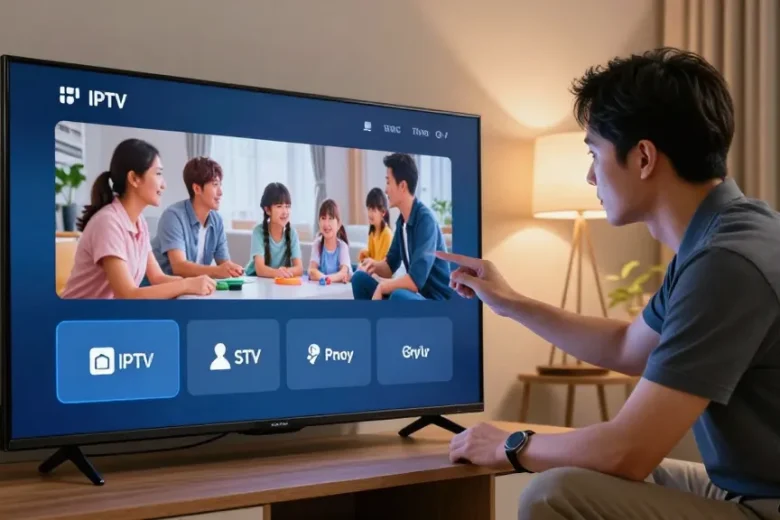
Understanding IPTV Services: What You Need to Know
As the landscape of television entertainment evolves, more households are turning away from traditional cable and satellite services, seeking alternatives that offer flexibility, extensive content, and affordability. IPTV services—short for Internet Protocol Television—are redefining how we consume media. By using broadband connections to deliver content directly to your devices, IPTV makes it possible to enjoy live TV, video on demand (VOD), and catch-up programmes anywhere in your home. When exploring options, IPTV service providers offer comprehensive insights into the various plans and features available, enabling you to choose wisely.
Definition and How IPTV Works
IPTV channels are transmitted over the internet rather than through traditional means like satellite or cable. This technology uses a broadband connection to stream content, making it accessible on a wide range of devices. To access IPTV, an end-user generally needs various elements: a stable internet connection, a compatible device (such as a smart TV, tablet, or mobile device), and a subscription to an IPTV service. Each channel is delivered via an IP address, and users can access them through specific apps designed to provide an easy interface.
Benefits of Switching to IPTV Services
Switching to IPTV comes with numerous advantages. Firstly, it provides an extensive selection of channels, offering everything from local broadcasts to international programming, catering to virtually every viewer’s interests. Secondly, IPTV typically allows for on-demand content, enabling viewers to watch shows at their convenience. The flexibility to stream content across multiple devices means users can start watching on one device and finish on another, a significant upgrade over traditional services. Finally, the costs associated with IPTV services are often lower than cable packages, providing user-friendly pricing options and fewer hidden fees.
Comparing IPTV to Traditional Cable Services
One of the starkest differences between IPTV and traditional cable involves the flexibility of viewing. With cable services, users are usually locked into specific schedules, whereas IPTV offers the ability to catch up on missed shows and choose content to watch on demand. Furthermore, IPTV features a diverse array of channels, often rivaling traditional providers, with many services providing upwards of 45,000 channels to their customers. This variety grants consumers the opportunity to craft their entertainment experience to fit personal tastes, without being held hostage to traditional cable packages.
Choosing the Right IPTV Provider in Your Local Area
Choosing an IPTV provider can be daunting, especially with so many options available. To simplify this process, it’s crucial to know which features matter most for your viewing habits, such as channel selection, device compatibility, and customer service quality. Make sure to assess the reputation of the provider by reviewing customer feedback and conducting comprehensive research. Local providers might offer tailored service that caters specifically to the viewing preferences of your community.
Key Features to Look For
When evaluating IPTV providers, consider essential factors like device compatibility, the clarity of the video stream, customer support, and the breadth of content offered. An effective IPTV service should support multiple devices like smart TVs, smartphones, set-top boxes, and tablets. Look for providers that maintain high-resolution streams, preferably 4K, and provide dedicated customer service to resolve any issues swiftly. Furthermore, features such as user interface and ease of navigation play a vital role in enhancing the overall customer experience.
Verifying Provider Licensing and Credentials
It’s advisable to verify the licensing and credentials of an IPTV provider before subscribing. Many providers operate unlawfully by offering unlicensed content, which could put you at risk of legal repercussions. A legitimate provider should clearly display their licensing information regarding the channels they broadcast, as well as customer reviews reflecting their operational transparency. Always ascertain that the service abides by local regulations to avoid issues with content legality.
Top-Rated Local Providers to Consider
Several reputable IPTV providers serve the local market, each with unique offerings and specialisation. Based on customer feedback and industry reputation, providers that stand out often have substantial offerings in terms of channels, user-friendly support accessible via platforms like WhatsApp, and clear transparency about their legal standing. Reseller options may be available that offer discounts or special packages tailored for specific viewership needs.
Cost and Pricing Breakdown for IPTV Services
The cost of IPTV services can vary significantly based on the features and channels offered, as well as the length of the subscription plan you choose. By understanding common pricing models, you can better manage your budget while choosing a service that suits your viewing needs.
Typical Pricing Structures for UK Users
In the UK, typical IPTV subscription packages often range from £10 to £40 per month, depending on the channel selection and service quality. Some providers may even offer introductory rates or discounts for the first few months. Understanding these price points can help you budget effectively for your entertainment needs, allowing you to enjoy premium content without excessive costs.
Understanding Subscription Plans and Their Value
IPTV services usually present a variety of subscription plans, including monthly, quarterly, and yearly options. Monthly plans provide flexibility, allowing users to assess the service without a long-term commitment. Typically, annual plans offer better value overall, reducing the average monthly cost significantly. It’s essential to understand what each plan entails, including available channels and services like VOD, to fairly evaluate its worth.
Hidden Costs to Watch Out For
While many IPTV services advertise low monthly rates, hidden costs can add up quickly. Keep an eye out for additional charges such as setup fees, costs for premium channels, and equipment rentals. Always read the fine print before signing a contract to ensure there are no surprises once you start using the service. It’s prudent to ask the provider directly about any additional fees associated with your package.
Ensuring Legal Compliance and Safety with IPTV
As IPTV services grow in popularity, ensuring that your chosen provider operates legally is increasingly important. IPTV technology itself is lawful, but licensing and content distribution can lead to complications.
Understanding Licensing Requirements for IPTV Providers
Licensing is a crucial aspect of IPTV operation. A reputable provider needs to hold the appropriate licenses for the channels they broadcast. In the UK, providers must adhere to regulations from Ofcom and ensure compliance with broadcast rights laws. Failing to do so could lead to penalties for both the provider and the subscriber.
Keeping Your IPTV Setup Compliant with Local Regulations
It is advisable to remain informed about local regulations related to IPTV, as these can vary by region. Stay updated with IPTV-related news and changes in legislation that could affect your service. Ensuring your setup complies with these regulations not only protects you from legal trouble but also enhances your overall viewing experience.
The Importance of Using Licensed Content Only
Using providers that stream licensed content guarantees that you access high-quality, legally sanctioned materials. This commitment to legitimate content ensures a better user experience, including fewer interruptions and access to premium channels. Be vigilant in researching provider claims regarding their licensing to avoid potential pitfalls when choosing a service.
Customer Experiences with IPTV Services: Real Reviews
Customer feedback provides invaluable insights into the quality of IPTV services, shedding light on the user experience and performance of the service. Gathering testimonials can help prospective customers make informed decisions based on real experiences.
Collecting Customer Testimonials and Feedback
Many consumers benefit from reading other users’ testimonials to understand the strengths and weaknesses of different IPTV services before making a choice. Generally, high ratings in customer support, seamless user experience, and stable streaming capabilities feature prominently in positive feedback. On the contrary, reviews that critique buffering, lack of channel variety, and poor responsiveness can highlight red flags to look out for.
Comparing User Experience: Value for Money
Assessing customer reviews concerning value for money can provide a benchmark for weighing different IPTV options. Some services boast extensive content at inexpensive rates, while others might offer fewer channels but superior customer support and technology. Understand what matters most to you and prioritise services that excel in those important areas.
Managing Customer Support and Expectations
Quality customer support can significantly enhance your experience with IPTV services. Many top-rated providers offer live chat, WhatsApp support, or dedicated help forums, ensuring users receive timely assistance when needed. A provider’s assurance of solid customer support can mitigate frustrations and improve overall satisfaction.
FAQs
1. Is IPTV Service legal in the UK?
Yes, IPTV technology itself is legal in the UK as long as the provider has the necessary licenses for the content being offered. It’s essential to verify the legality of any service you’re considering subscribing to.
2. How do I choose an IPTV provider in my area?
When selecting an IPTV provider, consider the range of channels, device compatibility, customer service quality, and user reviews. Evaluating these factors will ensure you get the best option for your viewing needs.
3. What devices are compatible with IPTV services?
IPTV services typically work on a variety of devices, including smart TVs, smartphones, tablets, set-top boxes like MAG, and even gaming consoles. Check with your chosen provider for specific compatibility details with your devices.